Best Espresso Machines for Small Kitchens
How to get cafe-quality shots from a counter barely wider than a cutting board, and which machines are worth the footprint.
Published July 23, 2026 · Last updated September 4, 2026 · As an Amazon Associate I earn from qualifying purchases.
The short answer
For small kitchens, prioritize machines with a compact footprint, fast heat-up times, and front-loading water tanks or bean hoppers. Integrated grinders are generally preferred for space-saving, and models like the Barista Pro, which heats in thirty seconds, excel in these areas. Look for machines that fit under standard cabinets and offer genuinely capable steam wands.
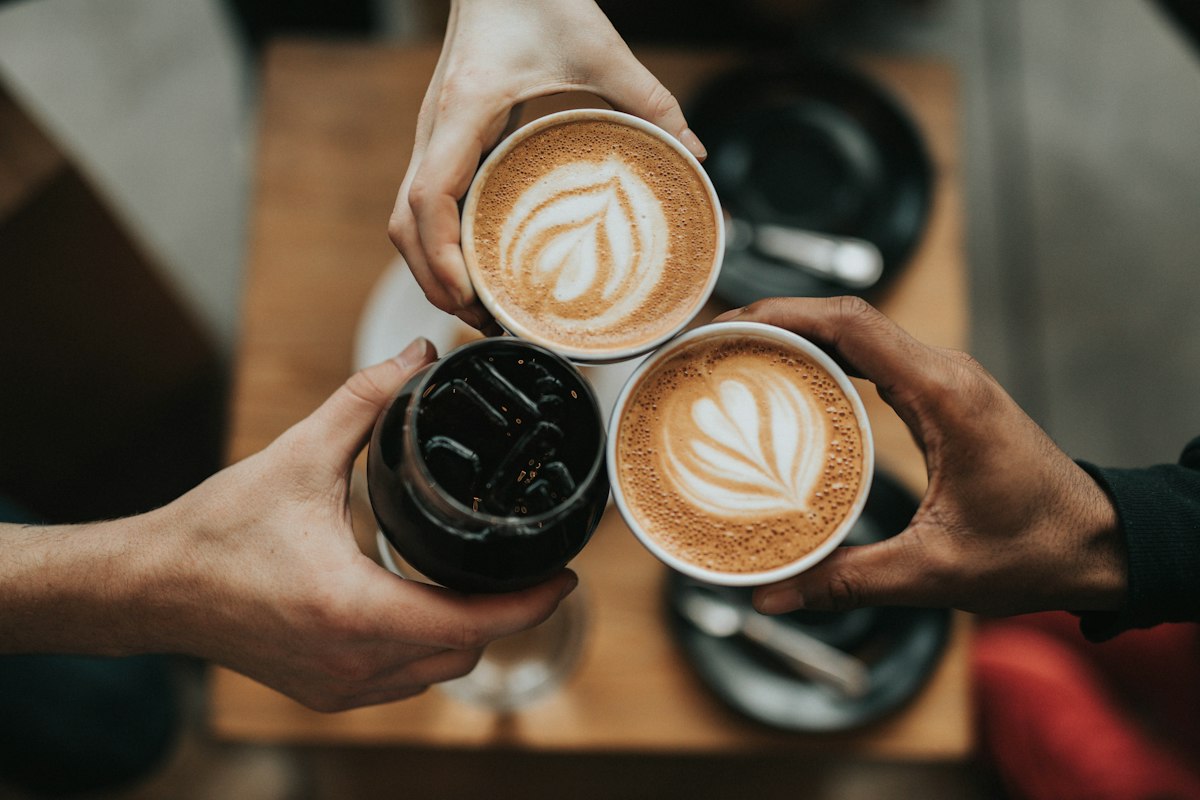
A good espresso machine is the single biggest upgrade most home coffee drinkers can make, but counter space is the constraint nobody accounts for until the box arrives. This guide covers what actually matters in a compact machine and which models earn their real estate.
What matters in a small kitchen
Footprint is more than width. Measure the depth of your counter and the clearance to the cabinet above, because most machines need overhead room to fill the bean hopper and water tank. Front-loading tanks are worth paying for.
Grinder: built in or separate?
A built-in conical burr grinder saves roughly a foot of counter and removes a step from the morning routine. The trade-off is flexibility — a dedicated grinder will always out-perform an integrated one, and it can be replaced independently. For most people short on space, integrated wins.
Heat-up time is a quality-of-life feature
Thermoblock and thermojet systems reach brew temperature in under a minute. Traditional boilers take fifteen. If you drink espresso on weekday mornings, that difference determines whether you use the machine at all.
Our picks
For a do-everything machine that grinds, brews and steams in one body, the Barista Pro is the one we keep coming back to. It heats in thirty seconds, its steam wand is genuinely capable, and it fits under standard cabinets.
Getting good shots
Start at 18 grams in, 36 grams out, over 27 to 32 seconds. If the shot runs fast and tastes sour, grind finer. If it chokes and tastes bitter, grind coarser. Change one variable at a time.
Understanding Footprint: Beyond the Spec Sheet
When space is at a premium, a machine's listed dimensions are just a starting point. The true footprint includes not only the width and depth but also the required clearance above for operation and maintenance. Many espresso machines require you to lift a lid to access the water reservoir or bean hopper, which can be an issue under low-hanging cabinets.
Consider how you'll interact with the machine daily. If the water tank or bean hopper loads from the top, you'll need ample vertical clearance. Machines with front-loading water tanks or easily accessible side-mounted hoppers can significantly reduce the practical vertical space needed, making them much more suitable for tight spots. Also, think about side clearance – do you need to access a steam wand knob, or will you be pulling the machine forward to clean around it? A truly compact machine minimizes these hidden space requirements.
Semi-Automatic vs. Super-Automatic: Ease vs. Control
The choice between semi-automatic and super-automatic machines largely comes down to your priorities: convenience versus control, especially in a small kitchen. Super-automatic machines handle everything from grinding to brewing with the touch of a button, making them incredibly convenient but often larger and more complex internally.
Semi-automatic machines, like the Barista Pro, give you more control over the brewing process, from grind size to tamp pressure, allowing for finer tuning of your shots. While this requires a bit more effort and a learning curve, it also often translates to a more compact design and allows you to truly master your espresso. For many, the hands-on process of a semi-automatic is part of the espresso experience, even with limited counter space.
The Importance of a Quality Steam Wand
Espresso is just one part of the cafe experience; milk-based drinks are equally popular. A truly capable steam wand is essential for lattes and cappuccinos, allowing you to create velvety microfoam rather than just hot, bubbly milk. In a small kitchen, this means looking for a machine where the steam wand is both powerful enough and positioned conveniently without requiring you to move the entire unit.
Some compact machines compromise on steam power or wand articulation to save space. However, a machine with a dedicated thermoblock or thermojet for steaming can offer rapid heat-up and consistent pressure, even if the machine itself is small. This ensures you're not waiting an excessive amount of time for steam after your shot is pulled, streamlining your morning routine and allowing you to produce cafe-quality milk drinks at home.
Maintenance and Cleaning in a Tight Space
Even the most compact espresso machine requires regular cleaning and maintenance, and this becomes even more critical in a small kitchen. Consider how easily you can access the drip tray, water tank, and brew group for cleaning. A machine with removable components that are accessible from the front or side will save you from having to awkwardly maneuver a heavy appliance.
Integrated grinders, while space-savers, also require cleaning. Look for designs that allow for easy access to the burrs for occasional cleaning, preventing stale coffee buildup. Machines that offer automated cleaning cycles or descaling reminders can also be a boon, simplifying upkeep and ensuring your machine continues to perform optimally without taking up valuable time or requiring extensive disassembly in a cramped area.
Budgeting for Quality and Longevity
Investing in a compact espresso machine means balancing initial cost with long-term value and performance. While there are budget-friendly options, compromising too much on quality can lead to frustration with inconsistent shots or premature wear.
For a do-everything machine that grinds, brews, and steams, be prepared for an investment that reflects its capabilities. For example, the Barista Pro is available for $749.95. Higher-quality components and thoughtful design often contribute to a machine that delivers better espresso and lasts longer. Consider the availability of parts and service as well; a machine that can be easily maintained or repaired will ultimately be a better investment than one that needs to be replaced entirely due to a minor issue, especially when you're limited by space.
Frequently asked questions
- What's the most important factor for an espresso machine in a small kitchen?
- The most important factor is the effective footprint, which includes not just the base dimensions but also the required clearance for top-loading water tanks or bean hoppers. Prioritize machines with front-loading access to minimize vertical space needs.
- Should I get an espresso machine with a built-in grinder or a separate one?
- For small kitchens, a built-in grinder is generally recommended as it saves significant counter space. While a separate grinder offers more flexibility and performance, the space-saving benefit of an integrated unit often outweighs this for users with limited room.
- How long should an espresso machine take to heat up for a small kitchen?
- For a small kitchen and busy mornings, an espresso machine with a thermoblock or thermojet heating system that reaches brew temperature in under a minute is ideal. This ensures you can get your coffee quickly without a long wait.
- Can compact espresso machines make good milk foam?
- Yes, many compact espresso machines can make excellent milk foam, especially those with powerful steam wands and dedicated heating elements for steaming. Look for models explicitly praised for their steaming capabilities, like the Barista Pro.
- How do I make sure my espresso machine fits under cabinets?
- Measure the height from your counter to the bottom of your cabinet. Then, check the espresso machine's total height, adding any extra clearance needed for top-loading reservoirs or bean hoppers. Many machines, like the Barista Pro, are designed to fit under standard cabinets.
- What's a good starting point for dialing in espresso shots?
- A good starting point is 18 grams of coffee in, yielding 36 grams of espresso out, over 27 to 32 seconds. If the shot runs too fast and tastes sour, grind finer. If it chokes and tastes bitter, grind coarser, adjusting one variable at a time.