Best Home Gym Equipment for Small Spaces
A complete strength setup in roughly four square feet, and what to buy first if the budget is tight.
Published August 3, 2026 · Last updated September 4, 2026 · As an Amazon Associate I earn from qualifying purchases.
The short answer
For a complete strength setup in roughly four square feet, the best home gym equipment prioritizes adjustable gear and multi-functional items. A pair of adjustable dumbbells, like the 5-52.5 lb adjustable dumbbells with a 4.7-star rating from over 12,000 reviews, is the foundational piece, allowing you to replace numerous fixed weights in a compact footprint. Supplement this with a foldable flat-incline bench and a pull-up bar to create a versatile and space-efficient workout station.
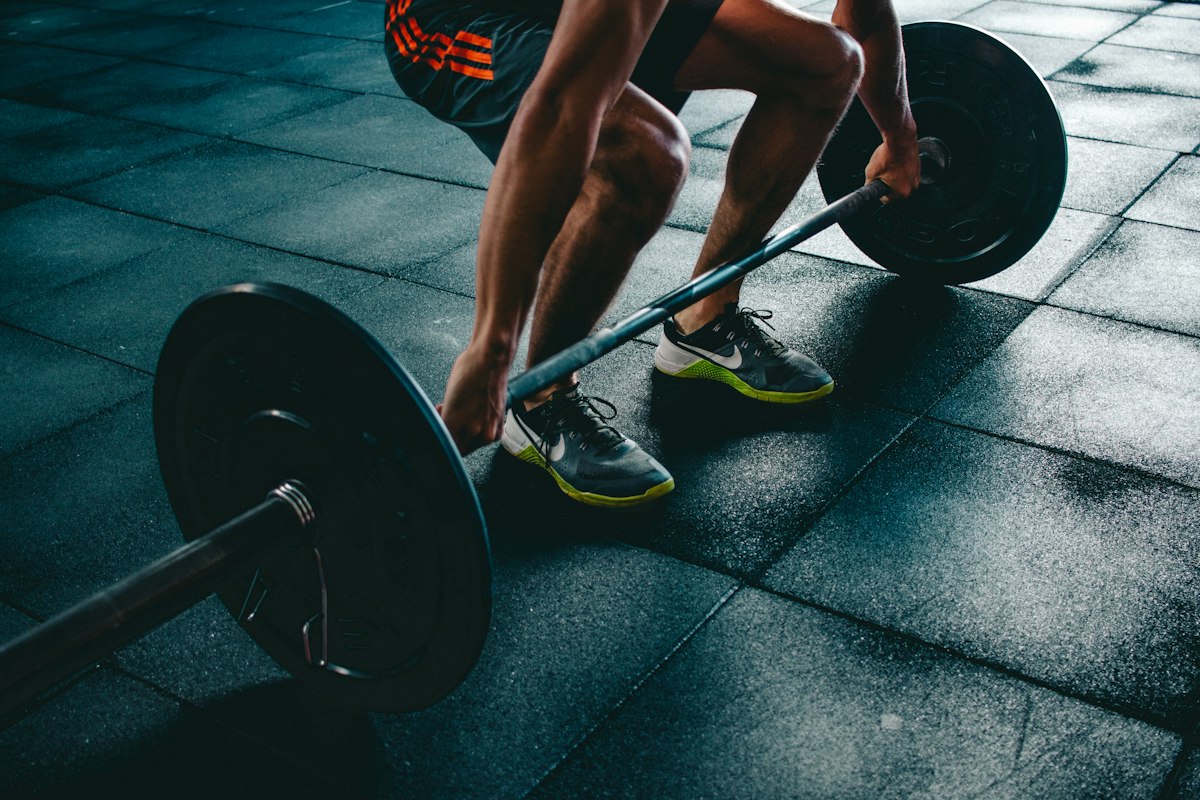
You do not need a room for a home gym. You need about four square feet, one adjustable load and somewhere to lie down. Everything else is optimisation.
Buy adjustable, not fixed
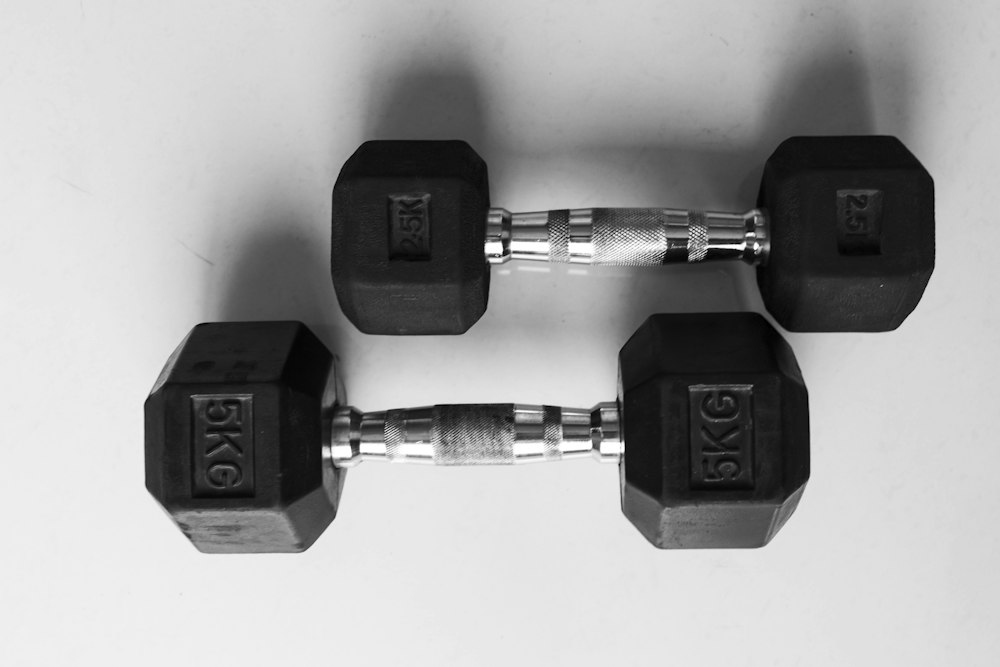
A pair of adjustable dumbbells replaces fifteen pairs of fixed ones and takes up the space of one. This is the single highest-value purchase in a small-space gym and should come before a bench, a rack or a machine.
What to buy, in order
First adjustable dumbbells. Second a flat-incline bench that folds. Third a pull-up bar. That trio covers almost every movement pattern a general trainee needs for years.
Flooring matters more than you think
Horse-stall mats or thick rubber tiles protect the floor, quiet the room and make the space feel like somewhere you want to train. On an upper floor they are not optional.
Recovery and hydration
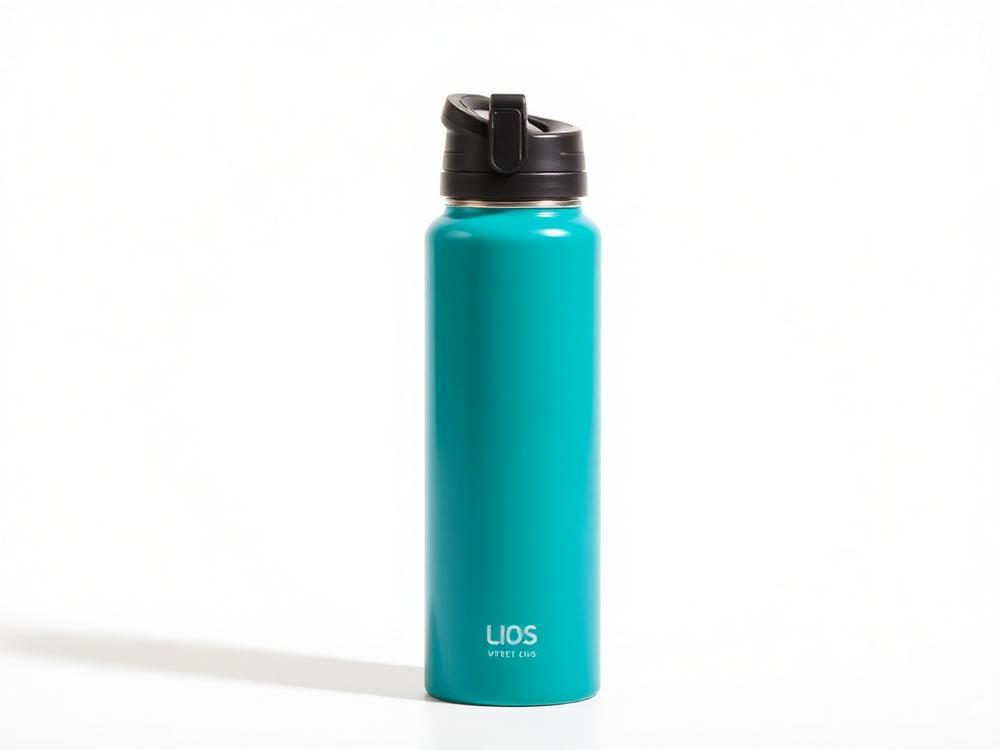
Keep water within reach — the simple act of having a large insulated tumbler at hand measurably improves how much you drink through a session.
Programming beats equipment
Three sessions a week of progressive full-body work with adjustable dumbbells will out-perform a garage full of unused machines. Add weight or reps every week and keep a log.
The Core Philosophy: Adjustable, Compact, and Multi-Functional
When space is at a premium, every piece of equipment in your home gym needs to earn its spot. The guiding principle for small spaces is to opt for adjustable and multi-functional items over fixed or single-purpose gear. This not only maximizes your workout potential within a limited footprint but also often proves more cost-effective in the long run, as you're investing in versatility rather than volume.
Consider the immediate benefits: adjustable dumbbells, as highlighted, consolidate the function of multiple weight pairs into one compact unit. This principle extends to benches that can fold or adjust to various angles, and even resistance bands that offer a spectrum of resistance levels without taking up significant space. Each selection should be viewed through the lens of how much utility it provides per square foot.
Beyond just the equipment, think about how you can integrate your workout into existing home furniture or structures. A sturdy doorway can host a pull-up bar, and even a robust dining chair can serve for certain bodyweight exercises. The goal is to be resourceful and creative, ensuring that your home gym feels like an enhancement to your living space, not an imposition.
Essential First Buys: Prioritizing Your Investment
When budget and space are both tight, it's crucial to prioritize purchases that offer the highest return on investment in terms of exercise versatility and progression. The consensus among fitness experts for small home gyms is to start with adjustable dumbbells. These are the single most impactful piece of equipment, allowing for a vast array of strength training exercises for all major muscle groups.
A pair of adjustable dumbbells, such as the 5-52.5 lb models often available, can effectively replace 15 or more sets of fixed dumbbells. This saves significant space and money while providing a wide enough weight range to accommodate progressive overload for years. They are indispensable for exercises like rows, presses, squats, lunges, and bicep curls, forming the backbone of any effective strength training program.
Once you have your adjustable dumbbells, the next logical step is a versatile, foldable flat-incline bench. This opens up even more exercise possibilities, allowing for various angles during presses and flyes, and serving as a stable platform for step-ups or seated exercises. Finally, a doorway pull-up bar completes the trifecta, providing crucial upper body pulling movements that are difficult to replicate with dumbbells alone. This foundational trio offers a comprehensive full-body workout capacity that can challenge both beginners and advanced lifters.
Maximizing Space: Smart Storage and Setup
Even with compact equipment, intelligent organization is key to maintaining a functional and inviting small home gym. Dedicated storage solutions for your adjustable dumbbells, such as a small stand or designated corner, can prevent clutter and make your workout space feel more organized. For items like resistance bands, jump ropes, or yoga mats, consider hooks on a wall or a slim storage basket that can tuck away easily when not in use.
Think vertically when possible. Wall-mounted shelves or organizers can store smaller accessories without encroaching on floor space. If you're using a foldable bench, ensure it has a convenient spot where it can be collapsed and stored upright against a wall or under a bed when not in use. The less equipment visibly scattered, the more spacious your room will feel.
Setting up your primary workout zone strategically can also make a difference. Position your equipment in an area that allows for full range of motion without hitting furniture or walls. If possible, a spot near a window can provide natural light and a sense of openness, making the small space feel less confined. A well-organized and thoughtfully arranged small gym encourages consistent use and a more enjoyable workout experience.
Beyond the Weights: Mobility and Recovery Tools
While strength training is a cornerstone of fitness, a complete home gym setup also benefits from incorporating tools for mobility, flexibility, and recovery. These items are typically compact and can significantly enhance your overall well-being and performance, preventing injuries and aiding muscle repair. A simple yoga mat, for instance, provides a comfortable surface for stretching, core work, and bodyweight exercises, and can be easily rolled up and stored.
Resistance bands, beyond their use in strength training, are excellent for warm-ups, cool-downs, and targeted mobility drills. They are lightweight, inexpensive, and take up virtually no space. A foam roller or a massage ball can be invaluable for self-myofascial release, helping to alleviate muscle tightness and improve flexibility. These recovery tools are small enough to be stored in a drawer or a basket.
Remember the importance of hydration during and after workouts. Keeping a large insulated tumbler with a handle, such as a 40 oz model, within arm's reach measurably improves how much you drink through a session. Alternatively, a 24oz insulated stainless steel water bottle, like the Owala FreeSip, is also an excellent choice. Staying properly hydrated is a fundamental aspect of recovery and overall health, especially when you're pushing yourself physically.
The Mindset: Consistency Over Quantity
The most sophisticated home gym equipment in the world won't yield results without consistent effort. For those with small spaces, it's particularly important to cultivate a mindset that values consistency, progressive overload, and proper form over accumulating vast amounts of equipment. A simple setup with adjustable dumbbells, a bench, and a pull-up bar, used regularly with a structured program, will always outperform a garage full of unused machines.
Focus on mastering fundamental movement patterns: pushing, pulling, squatting, hinging, and carrying. Adjustable dumbbells allow you to perform variations of all these movements. Regularly increasing the weight, repetitions, or sets (progressive overload) is the key to continued strength and muscle growth. Keep a log of your workouts; this not only tracks your progress but also provides motivation and helps you stay accountable.
Your home gym, no matter how small, is a sanctuary for your physical and mental health. Approach your training with discipline and an understanding that the most effective tool is your own commitment. Three well-planned, full-body sessions per week, consistently performed with intensity and proper technique, will deliver significant results and make the most of your limited space and chosen equipment.
Frequently asked questions
- What is the absolute first piece of equipment I should buy for a small home gym?
- The single highest-value purchase for a small-space gym is a pair of adjustable dumbbells. They replace numerous fixed weights, offering a wide range of resistance in a compact footprint, making them the most versatile foundational item.
- Can I get a full-body workout with just adjustable dumbbells?
- Yes, adjustable dumbbells enable a comprehensive full-body workout. You can perform exercises like squats, lunges, presses (chest, shoulder), rows, deadlifts, and various bicep and tricep movements, targeting all major muscle groups.
- Why is flooring important in a small home gym?
- Flooring, such as horse-stall mats or thick rubber tiles, is crucial for protecting your floor from dropped weights, reducing noise, and providing a stable, non-slip surface for exercises. On upper floors, it's essential for sound dampening and structural protection.
- What's the benefit of an insulated tumbler for workouts?
- Keeping a large insulated tumbler or water bottle nearby encourages consistent hydration. The simple act of having a cold drink readily accessible can measurably improve how much water you consume throughout your session, supporting performance and recovery.
- Should I buy a workout machine if I have limited space?
- For small spaces, multi-functional, compact equipment is generally preferred over large, single-purpose machines. Adjustable dumbbells, a foldable bench, and a pull-up bar offer greater versatility and occupy significantly less room than most workout machines.
- How can I ensure I make progress with limited home gym equipment?
- To ensure progress, focus on progressive overload: consistently increase the weight, repetitions, or sets you perform over time. Keep a detailed workout log to track your efforts and maintain a structured three-session-a-week full-body training schedule.