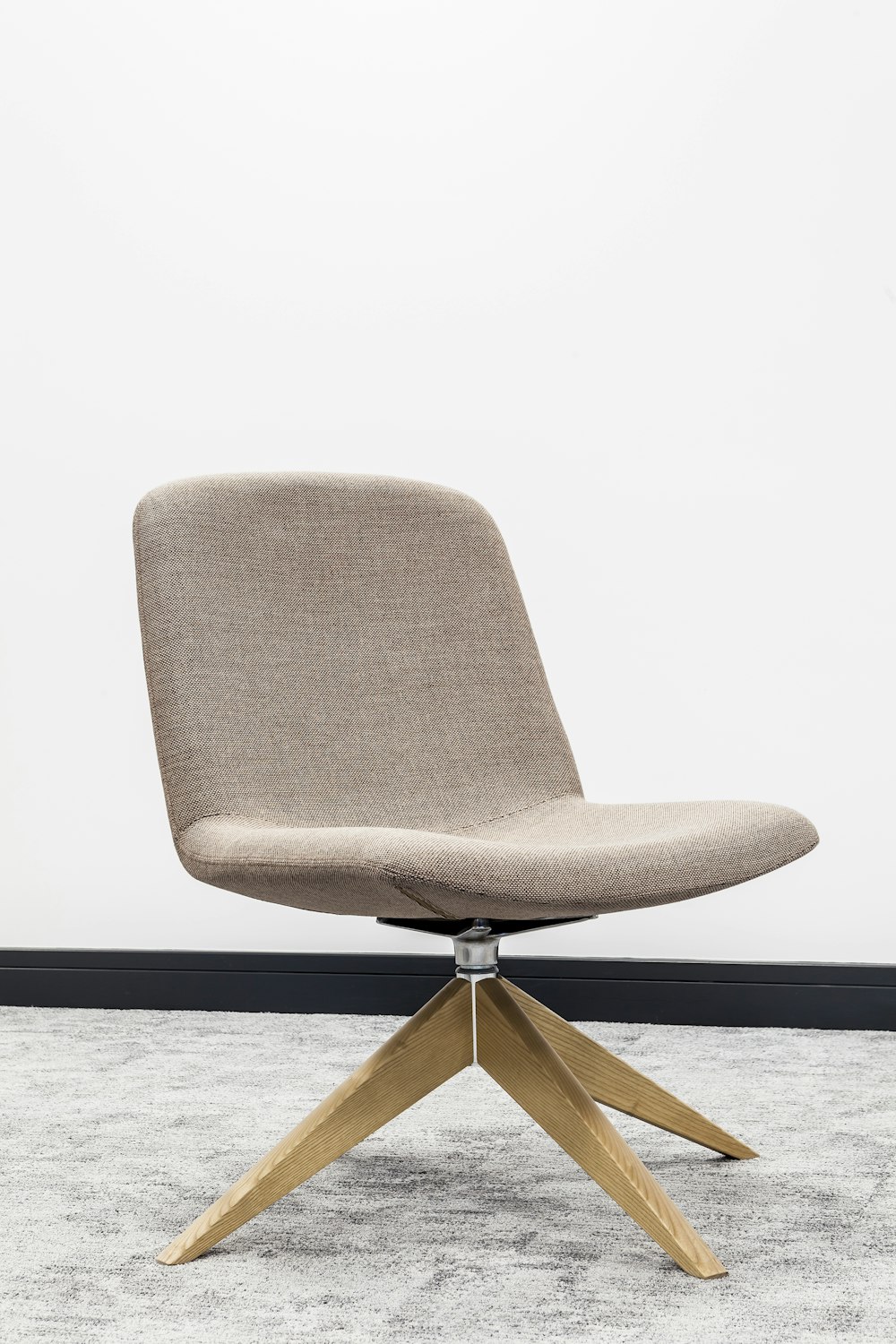
Best Home Office Setup Under $1000
Where to spend and where to save when building a workspace you can sit at for eight hours.
Published August 7, 2026 · Last updated September 4, 2026 · As an Amazon Associate I earn from qualifying purchases.
The short answer
Building a home office under $1000 requires strategic spending, prioritizing items that directly impact comfort and productivity over accessories. The core components should be a high-quality ergonomic chair, a stable sit-stand desk, and effective lighting. You can achieve this with a dual-motor standing desk for $549 and an ergonomic mesh chair for $399, leaving room for essential accessories.
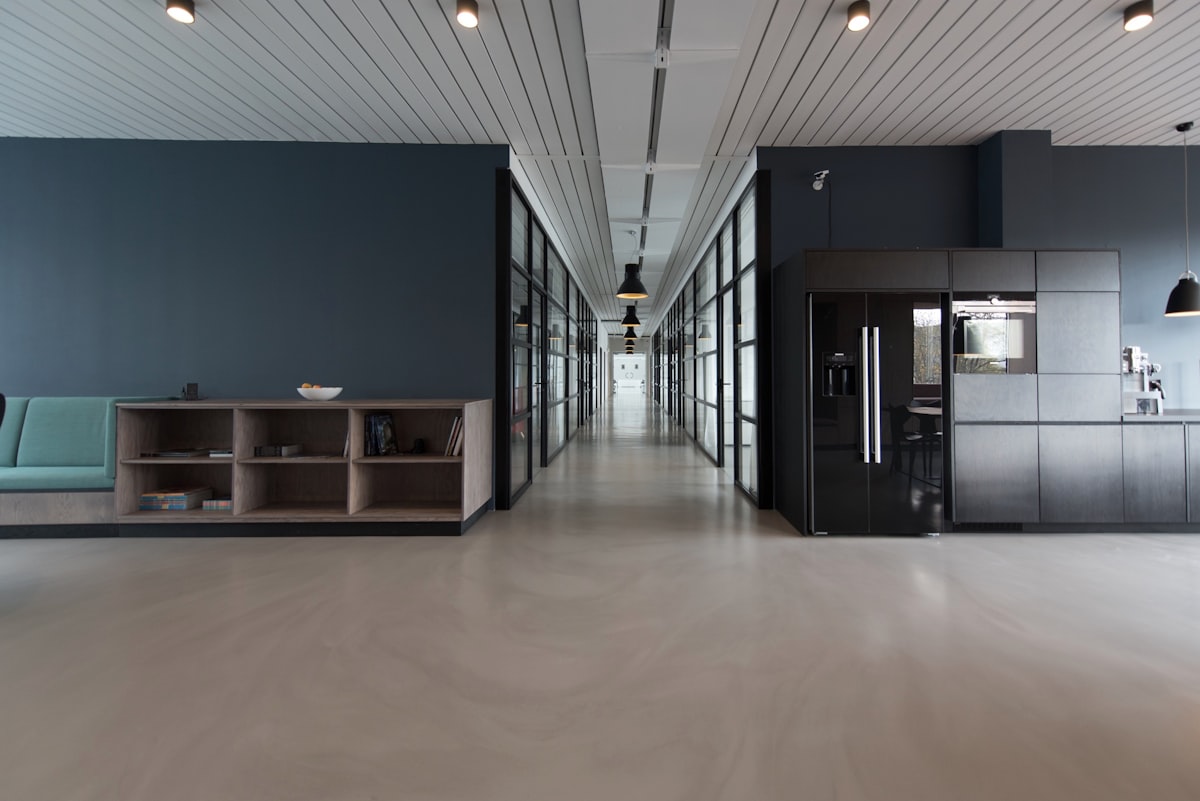
A thousand dollars is enough for a home office that beats most corporate desks, provided you spend it in the right order. The mistake is buying the monitor first.
Spend on the chair
You touch the chair for eight hours a day. Adjustable lumbar depth, 4D arms and a seat-depth slide are the three adjustments that matter; everything past that is refinement. Budget roughly forty percent of the total here.
Then the desk
A dual-motor sit-stand desk stays stable at standing height where single-motor frames wobble. Sixty by thirty inches suits a laptop, a monitor and paper without feeling cramped.
Lighting is the cheapest big upgrade
A monitor light bar lights the keyboard and the desk without throwing reflections onto the screen. It costs less than a hundred dollars and does more for eye comfort than any monitor setting.
Where to save
Save on the desk mat, the cable management and the chair mat. These are nice, not load-bearing.
A sample build
Ergonomic mesh chair, dual-motor standing desk and a warm-white light bar leaves change for a decent keyboard and mouse — and every piece is replaceable independently as the budget allows.
Prioritize Your Comfort: The Foundation of Productivity
When budgeting for a home office, the ergonomic chair should be your primary investment. This isn't just about luxury; it's about sustaining your body through eight hours or more of daily use. An investment here pays dividends in reduced strain, improved posture, and sustained focus.
Look for chairs with essential adjustments like lumbar depth, which supports the natural curve of your lower back, and a seat-depth slide, allowing you to position your hips correctly relative to your knees. Four-dimensional (4D) armrests, adjustable in height, depth, width, and pivot, provide crucial support for your arms and shoulders, preventing tension that can lead to neck and back pain. While other features exist, these three are the non-negotiables for an ergonomically sound seating experience.
The Desk: Stability and Versatility
Once your seating is sorted, turn your attention to the desk. A sit-stand desk offers significant health benefits, encouraging movement and reducing the sedentary time associated with traditional office work. The key differentiation among standing desks lies in their motor system. Dual-motor frames are inherently more stable, especially at their maximum height, than their single-motor counterparts. This stability is critical; a wobbling desk can be distracting and frustrating.
A 60 x 30-inch surface provides ample space for a laptop, an external monitor, and any documents or accessories you might need without feeling cramped. This size is a sweet spot, accommodating a productive setup without dominating a room. It offers the flexibility to spread out while maintaining an organized workspace, crucial for concentration and workflow.
Lighting: An Often-Overlooked Game-Changer
Effective lighting is one of the most cost-effective upgrades you can make to a home office, yet it's frequently underestimated. A monitor light bar is specifically designed to illuminate your keyboard and desk area without casting glare or reflections onto your screen. This focused, even illumination reduces eye strain, a common complaint for those spending long hours in front of a computer.
Unlike ambient room lighting or desk lamps that can create hot spots or shadows, a light bar provides a consistent, gentle glow. This not only enhances visibility of your workspace but also minimizes the contrast between your screen and the surrounding environment, which is paramount for eye comfort. At under a hundred dollars, as exemplified by the Warm-White LED Monitor Light Bar with 18,220 ratings, its impact on your daily comfort and productivity far outweighs its cost, often proving more beneficial than expensive monitor calibration or special glasses.
Strategic Savings: Where to Skimp Without Compromise
To keep within a $1000 budget, it's essential to identify areas where savings won't significantly detract from your core ergonomic setup or daily productivity. Desk mats, cable management systems, and chair mats fall into this category. While certainly convenient and aesthetically pleasing, they are not load-bearing or foundational to your comfort and health.
You can opt for a basic mouse pad instead of a full desk mat, use simple cable ties or Velcro straps instead of elaborate cable trays, and forego a chair mat altogether if your flooring is durable enough. These items can always be added later as your budget allows or as you identify specific needs. Prioritizing the chair, desk, and lighting ensures you establish a strong, ergonomic foundation, leaving less critical accessories for future upgrades.
Building a Robust Setup: A Sample Allocation
With a strategic allocation, a thousand dollars can create a home office that rivals or surpasses corporate standards. For example, budgeting approximately 40% for an Ergonomic Mesh Task Chair at $399 ensures your primary interaction point is comfortable and supportive. Allocating another 55% to a Dual-Motor Standing Desk at $549 provides a stable, versatile workspace.
This leaves over $50 from the initial $1000, which is perfectly suited for a Warm-White LED Monitor Light Bar at $99.99. While this pushes slightly over the $1000 mark by about $50, it demonstrates how close you can get with high-quality core components. The remaining budget, or a slight increase, could then cover a decent quality keyboard and mouse. The beauty of this approach is that each component is independently replaceable, allowing you to upgrade or customize as your needs evolve and budget permits.
Frequently asked questions
- Why is the chair the most important investment in a home office?
- The chair is your primary point of contact for extended periods, directly impacting your posture, comfort, and long-term health. Investing in an ergonomic chair with key adjustments helps prevent strain and fatigue, making sustained productivity possible.
- What's the benefit of a dual-motor standing desk over a single-motor one?
- Dual-motor standing desks offer superior stability, especially at higher standing positions, and generally have a higher weight capacity. This ensures your workspace remains steady and safe, reducing distractions and wobbling that can occur with single-motor models.
- How does a monitor light bar improve my home office setup?
- A monitor light bar illuminates your desk and keyboard directly without creating glare on your screen. This reduces eye strain by minimizing the contrast between your monitor and the surrounding area, enhancing visibility and comfort during long work sessions.
- Can I really get a good home office setup for under $1000?
- Yes, by prioritizing core ergonomic components like a high-quality chair, a stable standing desk, and proper lighting, you can build a highly functional and comfortable home office for under $1000. Less critical accessories can be acquired later.
- Where should I save money in my home office budget?
- You can strategically save on non-essential accessories such as elaborate desk mats, premium cable management solutions, and chair mats. These items add convenience but are not crucial for the foundational ergonomics and functionality of your workspace.
- Are the listed product ratings and prices accurate?
- The product ratings and prices are sourced directly from the provided data. For instance, the Ergonomic Mesh Task Chair is $399 with a 4.5-star rating from 7310 ratings, and the Dual-Motor Standing Desk is $549 with a 4.6-star rating from 5640 ratings.