Best Noise Cancelling Headphones for Travel
What separates genuinely quiet headphones from merely muffled ones, and how to choose for long-haul flights.
Published July 29, 2026 · Last updated September 4, 2026 · As an Amazon Associate I earn from qualifying purchases.
The short answer
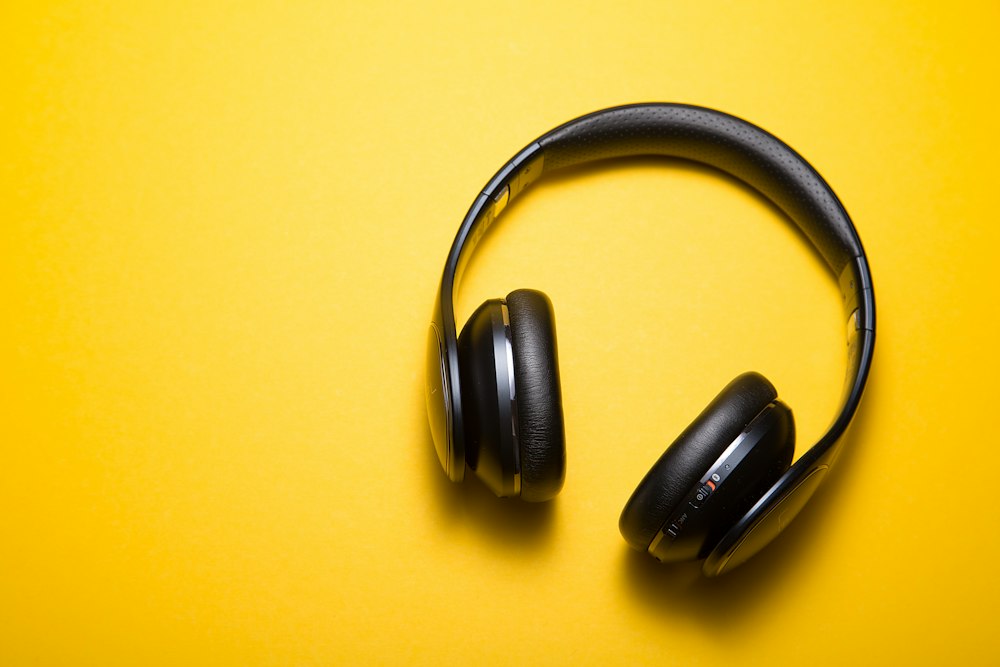
Genuinely quiet headphones use active noise cancellation (ANC) to generate inverted soundwaves, effectively canceling low, steady frequencies like engine drone, whereas merely muffled ones often only block some sound passively. For long-haul flights, prioritize ANC efficacy for low frequencies, and choose headphones with excellent comfort, ensuring earcups fully enclose your ears and the headband distributes weight evenly. A good example is the Noise Cancelling Over-Ear Headphones, which cost $348 and offer adaptive cancellation alongside a thirty-hour battery life and multipoint pairing.
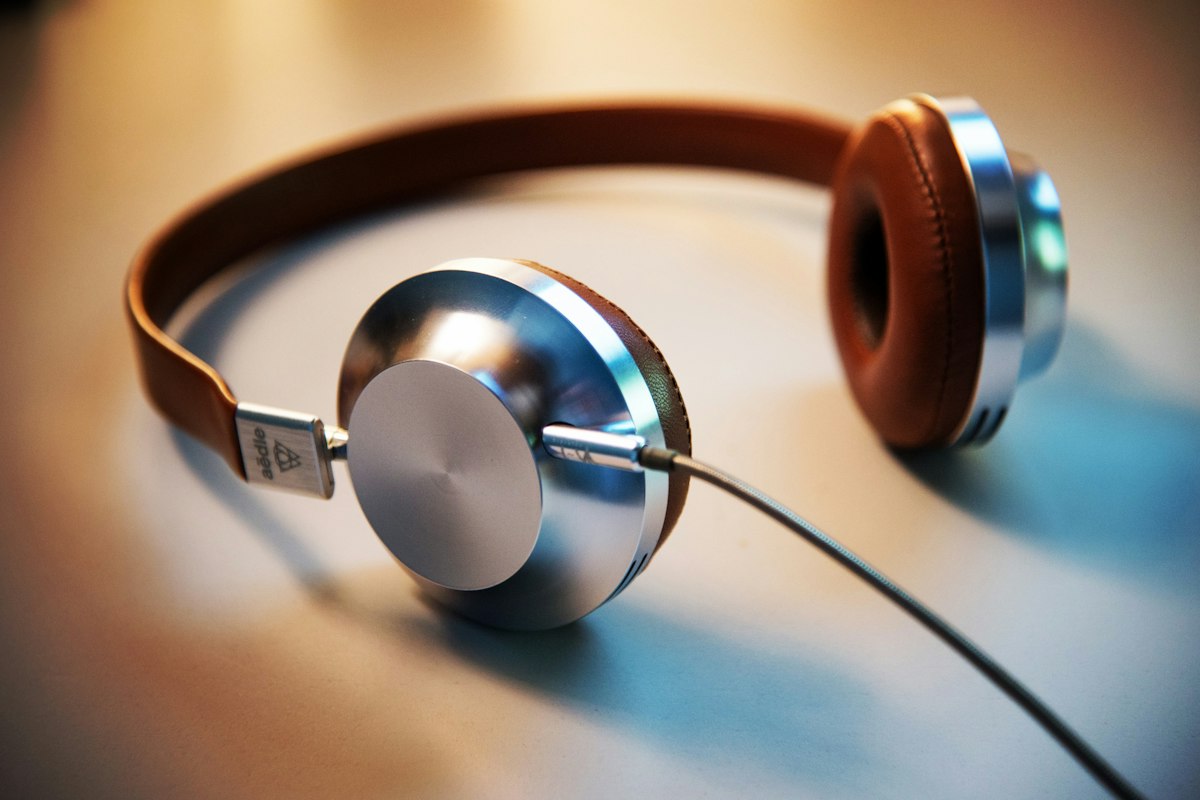
Cabin noise sits mostly in the low frequencies, which is exactly where active noise cancellation works best. That is why a good pair transforms a flight and a mediocre pair just makes everything sound slightly underwater.
How ANC actually works
Microphones sample ambient sound and the headphone generates an inverted waveform to cancel it. Low, steady noise like engine drone cancels almost perfectly. Sudden, high-frequency noise like a crying child does not. Any product promising total silence is overselling.
Comfort outranks sound quality on a long flight
On a twelve-hour flight, clamping force and earcup depth matter more than frequency response. Look for cups your ear sits inside rather than against, and a headband that spreads weight across the crown.
Battery and charging
Thirty hours covers a return long-haul without charging. USB-C fast charge that gives a few hours from a five-minute top-up is the feature you will be glad of at a gate.
Our pick
Our current recommendation combines adaptive cancellation, thirty-hour battery and multipoint pairing so you can move between a laptop and a phone mid-journey without re-pairing.
Do not overlook multipoint
If you work while travelling, connecting to two devices at once is the difference between seamless and constant fiddling in the Bluetooth menu.
Understanding Active Noise Cancellation: Beyond the Basics
Active Noise Cancellation (ANC) isn't a magic silence button, but a sophisticated technology designed to combat specific types of noise. It works by employing microphones to 'listen' to ambient sounds, particularly in the lower frequency range. The headphones then produce a sound wave that is precisely 180 degrees out of phase with the incoming noise. When these two sound waves meet, they effectively cancel each other out, resulting in a significant reduction in perceived noise.
This technology is exceptionally effective against constant, low-frequency sounds common in travel environments, such as airplane engine hum, train rumbles, or the drone of HVAC systems. The more consistent and lower in pitch the noise, the better ANC performs. However, ANC struggles with sudden, irregular, or high-frequency sounds, like human speech, a crying baby, or an unexpected clatter. For these sounds, passive noise isolation (the physical barrier created by the earcup material and fit) plays a more significant role. Therefore, a truly effective noise-cancelling headphone combines both robust ANC for low-frequency noise and good passive isolation for higher-frequency disturbances.
Prioritizing Comfort for Extended Wear
While sound quality is often a primary consideration for headphones, its importance shifts dramatically when the listening session extends for many hours, such as on a long-haul flight. On a 12-hour journey, discomfort can quickly overshadow even the most pristine audio. The key elements of comfort are centered around the fit and feel of the headphones on your head and around your ears.
Look for over-ear designs where the earcups are large enough to completely encircle your ears without pressing on them. The interior depth of the earcup is also crucial; your ears should not touch the drivers or the inside surface of the cup, as this can cause irritation and heat buildup over time. Additionally, the clamping force – how tightly the headphones grip your head – should be firm enough to provide a secure fit and good passive isolation, but not so tight as to cause pressure points. Finally, a well-padded and wide headband that distributes weight evenly across the crown of your head is essential to prevent a single point of pressure that can lead to headaches or discomfort after prolonged wear.
Battery Life and Charging Convenience
For travel, especially long flights or multi-leg journeys, battery life is not just a convenience but a necessity. Headphones that offer at least 30 hours of continuous playback with ANC active can comfortably cover a round-trip long-haul flight without needing a recharge. This provides peace of mind, eliminating the anxiety of a dead battery mid-journey when you most need quiet.
Beyond sheer duration, the charging technology itself is a critical factor. USB-C is now the widely adopted standard, offering reversible connectivity and faster charging speeds. The inclusion of a 'fast charge' feature, where a short 5-minute top-up can provide several hours of playback, is particularly valuable. Imagine rushing to your gate only to realize your headphones are nearly dead; a quick five-minute charge could be the difference between a silent flight and a noisy one. This feature ensures that even if you forget to charge overnight, you can quickly get enough power for at least part of your journey.
The Power of Multipoint Connectivity
In today's multi-device world, the ability for headphones to connect to more than one device simultaneously—known as multipoint pairing—is an understated yet highly practical feature for travelers. Whether you're working on a laptop, watching a movie on a tablet, or taking a call on your smartphone, multipoint connectivity allows your headphones to seamlessly switch between audio sources without the need to manually disconnect and re-pair each time.
Consider a common travel scenario: you're watching a film on your laptop, and your phone rings. With multipoint, the headphones can automatically pause the laptop's audio and switch to your phone's call. Once the call ends, they can switch back to the laptop, resuming your movie. This eliminates constant trips into Bluetooth settings, saving time and frustration, and ensuring a much smoother, uninterrupted experience, especially beneficial for business travelers or anyone who uses multiple devices on the go.
Beyond Headphones: Essential Travel Tech
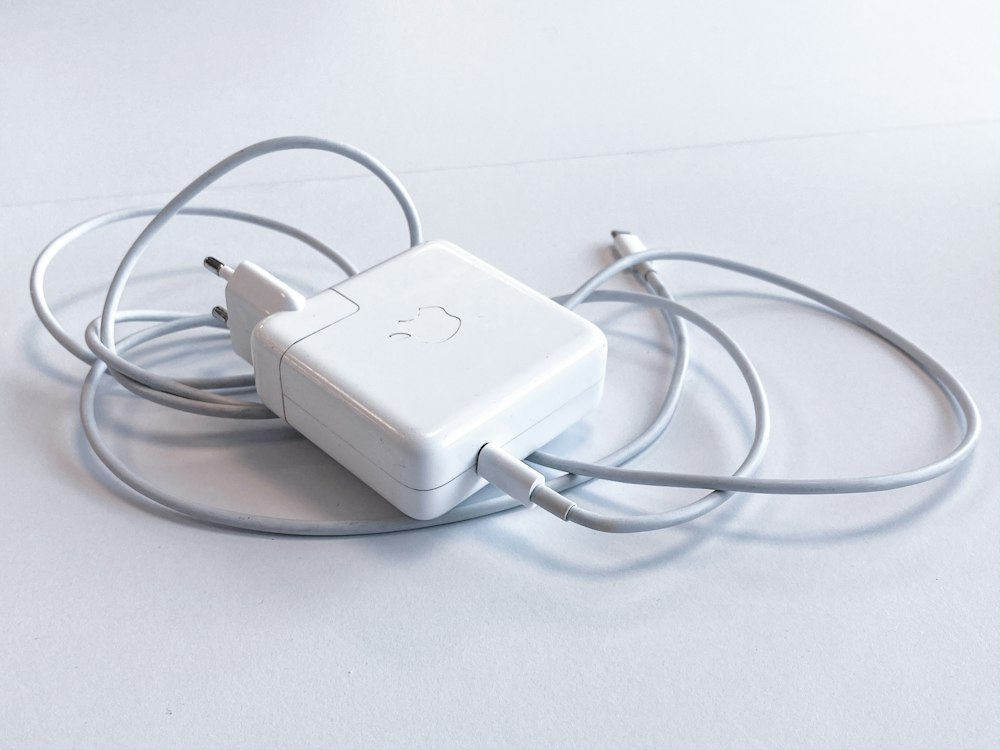
While noise-cancelling headphones are paramount for travel comfort, a truly optimized travel experience benefits from complementary tech. A high-capacity power bank is almost indispensable, ensuring all your devices, including headphones, remain charged through long layovers or unexpected delays. For charging multiple devices, a powerful multi-port charger, such as the 140W GaN Four-Port Charger, is highly recommended. These compact chargers use GaN (Gallium Nitride) technology to deliver high wattage across multiple ports, allowing you to charge your laptop, phone, tablet, and headphones simultaneously from a single wall outlet.
For international travel, a universal travel adapter is a must. Look for one with built-in surge protection and multiple USB ports. Finally, consider a compact cable organizer to keep all your charging cables, headphone wires, and adapters tidy and easily accessible in your carry-on bag, preventing the dreaded 'tangle scramble' when you need to quickly grab a charger.
Frequently asked questions
- What kind of noise do noise-cancelling headphones cancel best?
- Noise-cancelling headphones excel at canceling low-frequency, steady sounds like airplane engine hums, train rumbles, and air conditioning noise. This is where their active noise cancellation technology is most effective.
- Are noise-cancelling headphones good for blocking out conversations or crying babies?
- While they offer some passive isolation, noise-cancelling headphones are generally less effective against sudden, high-frequency, or irregular sounds like conversations, shouting, or crying babies. These types of noises are harder for ANC technology to completely nullify.
- How long should the battery last for travel headphones?
- For travel, especially long-haul flights, aim for headphones with a battery life of at least 30 hours with ANC active. This duration ensures they can cover a return international journey without needing a recharge.
- What is multipoint pairing and why is it useful for travelers?
- Multipoint pairing allows headphones to connect to two devices simultaneously, enabling seamless switching between audio sources. For travelers, this means you can listen to music on your laptop and instantly take a call on your phone without manually re-pairing, making for a much smoother experience.
- What charging features should I look for in travel headphones?
- Prioritize headphones with USB-C charging for modern compatibility and faster speeds. A 'fast charge' feature that provides several hours of use from a short 5-minute top-up is also incredibly convenient for quick power boosts before a flight.
- Do noise-cancelling headphones completely silence everything?
- No, noise-cancelling headphones do not create total silence. They significantly reduce ambient noise, particularly low frequencies, but some sounds will always penetrate. Any product claiming total silence is overstating its capabilities.